A Deep-Dive, Long-Form Recipe Guide with Flavor Notes, Tips, and Variations
Sweet and Sour Spareribs — known across Chinese households as 糖醋排骨 (táng cù páigǔ) — is a beloved comfort dish that bridges home cooking and restaurant flavors. Traditionally made with pork, this recipe uses beef ribs, offering a richer, deeper flavor while still delivering that iconic sweet-and-sour balance.
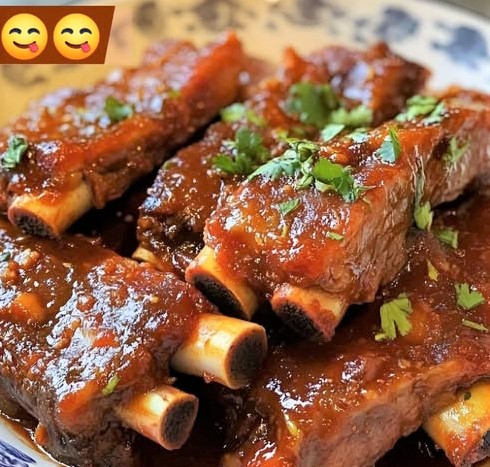
Beef ribs, when simmered gently in a glossy caramelized sauce, become incredibly tender, absorbing all the tanginess of vinegar, the savoriness of soy sauce, and the sweetness of sugar and ketchup. The final dish is bright, shiny, sticky, and bursting with flavor — the kind of meal that practically begs to be eaten with steaming white rice.
This long-form version includes not only the recipe but also technique explanations, ingredient insights, substitutions, troubleshooting, and cultural notes to elevate your cooking experience.
🛒 INGREDIENTS (3–4 servings)
🌟 Protein & Aromatics
-
700 g beef ribs, cut into small pieces
-
2 tbsp cooking oil
-
2 cloves garlic, minced
-
1 small onion, sliced
-
1 small red bell pepper, cubed (optional, adds sweetness)
-
1 small green bell pepper, cubed (optional, adds freshness)
Using small pieces increases surface area, allowing the sauce to cling beautifully. The aromatics help balance the richness of the beef.
🍯 Sweet & Sour Sauce
-
3 tbsp vinegar
-
3 tbsp soy sauce
-
3 tbsp brown sugar
-
2 tbsp ketchup
-
1 tbsp oyster sauce
-
½ cup water
This blend is the heart of the dish. Vinegar adds brightness, brown sugar brings depth, ketchup gives color and tang, and oyster sauce adds an umami backbone.
🌽 Thickener
-
1 tbsp cornstarch, dissolved in 2 tbsp water
This creates the signature glossy finish that coats the ribs.
🧂 Seasoning & Garnish
-
Salt & pepper to taste
-
Sesame seeds (optional)
-
Spring onions (optional)
🔥 COOKING PROCESS (45 minutes total)
Below is a fully expanded, detailed version of each step.
1️⃣ Boil the ribs (15 minutes)
Place the beef ribs in a pot of water and bring to a boil. Cook until the ribs are partly tender.
Why this step matters:
Chinese cooking often begins by parboiling meat to remove impurities, blood, and excess fat. This ensures your final sauce is clean, glossy, and free from unwanted odors.
After boiling, drain and set aside.
2️⃣ Sauté the aromatics (3 minutes)
Heat oil in a large pan or wok.
Add the minced garlic and sliced onion, sautéing until fragrant.
Purpose:
This short sauté step infuses the oil with aromatics, which later blend into the sweet-sour sauce, giving the dish depth.
3️⃣ Caramelize the sauce base (3 minutes)
Add the brown sugar to the pan and allow it to melt slightly, forming a thin caramel.
Once it begins to bubble softly, stir in:
-
soy sauce
-
vinegar
-
ketchup
-
oyster sauce
-
water
Stir until everything dissolves into a smooth reddish-brown sauce.
Flavor insight:
Caramelizing sugar intensifies the flavor and helps the sauce cling to the ribs. This step is key to achieving that restaurant-style glossy finish.
4️⃣ Simmer the ribs (15 minutes)
Add the boiled beef ribs into the sauce.
Simmer gently over medium heat.
During this stage:
-
The beef becomes more tender
-
The sauce reduces
-
Flavors concentrate
-
The ribs take on the shiny dark-red color
Stir every few minutes to prevent sticking.
5️⃣ Add the vegetables (5 minutes)
Stir in the red and green bell peppers.
Cook until slightly softened but still bright and crisp.
Optional but recommended:
Bell peppers add color, mild sweetness, and crunch — balancing the richness of the beef.
6️⃣ Thicken the sauce (2 minutes)
Stir the cornstarch slurry, then pour it in slowly while stirring.
Cook until the sauce thickens and turns glossy, coating each piece of rib like a shiny lacquer.
If the sauce becomes too thick, add 1–2 tablespoons water.
7️⃣ Final Touch & Serve
Adjust seasoning with salt and pepper.
Garnish with sesame seeds or spring onions.
Serve immediately with hot steamed rice—the perfect pairing for this kind of sticky, flavorful dish.
❗ EXPERT TIPS FOR PERFECT RESULTS
🥢 1. Don’t rush the simmering step
Even 5 extra minutes of simmering can dramatically deepen the flavor.
🍶 2. Use white vinegar or cane vinegar
These provide the clean, bright acidity typical in Chinese-style sweet & sour dishes.
🔥 3. Avoid high heat after adding slurry
High heat can make the sauce gluey instead of silky.
🌶 4. Add spice if desired
A little chili paste or fresh chili gives it a Sichuan-style twist.
🍖 5. For more tender beef
Add 1–2 tbsp rice wine or Shaoxing wine before simmering.
🔄 VARIATIONS YOU CAN TRY
🌶 Spicy Sweet & Sour Ribs
Add chili flakes, fresh chilies, or chili garlic sauce.
🍍 Pineapple Sweet & Sour
Add pineapple chunks for a classic Cantonese flavor.
🧄 Honey-Garlic Version
Replace some of the sugar with honey and increase garlic.
🍗 Chicken Sweet & Sour
Use chicken thighs or wings instead of ribs for a lighter variation.
🥕 Vegetable-Forward Version
Add carrots, onions, or mushrooms for more texture.
🛠️ TROUBLESHOOTING
❓ Sauce too thin?
Add more cornstarch slurry a teaspoon at a time.
❓ Too thick?
Add water little by little until desired consistency.
❓ Too sour?
Add sugar or ketchup.
❓ Too sweet?
Add a splash of vinegar.
❓ Beef not tender enough?
Simmer longer or add 2–3 tablespoons more water.
🍽️ WHAT TO SERVE WITH IT
-
Steamed jasmine rice
-
Fried rice
-
Garlic bok choy
-
Stir-fried broccoli
-
Cucumber salad
-
Egg drop soup
This dish pairs beautifully with light, refreshing sides to balance its richness.
⏱ TOTAL TIME
-
Prep: 10 minutes
-
Cook: 35 minutes
-
Total: 45 minutes