
Butter cake is a timeless classic loved for its rich flavor, soft crumb, and comforting aroma. This recipe uses halal-friendly ingredients without compromising the traditional texture and taste. Below is an expanded, step-by-step guide complete with tips, explanations, and options to help you achieve a perfect butter cake every time — even if you’re a beginner.
⭐ Ingredients (Halal-Friendly & Explained)
Wet Ingredients
-
200 g unsalted halal butter (softened)
The butter should be soft but not melted. Properly softened butter traps air during creaming, giving the cake a lighter texture. -
3 large eggs
Eggs help emulsify the batter and contribute to moisture. Room-temperature eggs incorporate better. -
80 ml halal milk
Milk tenderizes the crumb and ensures a moist texture. You can use full cream milk for richer flavor. -
1 tsp alcohol-free vanilla extract
Enhances aroma and flavor without any non-halal components.
Dry Ingredients
-
200 g plain flour
Use regular all-purpose flour. Sifting helps create a lighter cake. -
120 g sugar
White granulated sugar is best for creaming with butter. -
2 tbsp powdered milk (halal-certified)
Powdered milk enriches the flavor, making the cake more buttery and “cakey.” -
1 tsp baking powder
Acts as a leavening agent to help the cake rise evenly.
🧁 Equipment You’ll Need
-
Electric mixer (hand or stand)
-
7–8 inch round cake pan
-
Mixing bowls (1 large, 1 medium)
-
Oven
-
Whisk, spatula, and measuring tools
-
Baking paper (parchment)
🥄 Step-by-Step Instructions (Expanded)
1. Preheat the Oven & Prepare the Pan
Preheat your oven to 170°C (340°F).
Grease the cake pan with butter or oil, then line the bottom with parchment paper.
Proper lining prevents sticking and ensures easy removal.
2. Cream the Butter & Sugar
In a large mixing bowl, beat the softened butter with sugar on medium speed for 3–5 minutes.
What you’re looking for:
-
A pale yellow appearance
-
A fluffy, light texture
-
Increased volume due to air incorporation
This step is critical. Proper creaming gives the cake its signature softness.
3. Add the Eggs
Add the eggs one at a time, beating well after each addition.
Why add slowly?
Introducing eggs too quickly may cause the mixture to split. If it curdles slightly, don’t worry — the flour will fix it later.
Mix in the vanilla extract.
4. Combine the Dry Ingredients
In a separate bowl, whisk or sift together:
-
Flour
-
Powdered milk
-
Baking powder
This ensures even distribution of the leavening agent.
5. Mix Wet & Dry Ingredients
Add half of the dry mixture to the butter–egg mixture.
Mix on low speed or gently fold using a spatula.
Pour in the milk and mix until combined.
Add the remaining dry ingredients and gently fold again.
The goal is to combine everything without overmixing — overmixing leads to a dense cake.
The final batter should be smooth, shiny, and thick.
6. Transfer & Bake
Pour the batter into the prepared pan.
Use a spatula to smooth the surface.
Bake for 40–50 minutes.
Baking time may vary depending on your oven.
Signs the cake is ready:
-
A toothpick inserted into the center comes out clean.
-
The top is golden brown.
-
The cake springs back when lightly pressed.
7. Cooling & Serving
Allow the cake to cool in the pan for 10 minutes, then transfer to a wire rack to cool completely.
Cooling is essential: cutting a hot cake may cause it to crumble.
Enjoy warm or at room temperature.
This cake pairs beautifully with tea, coffee, or a scoop of ice cream.
💡 Pro Tips for Perfect Butter Cake
-
Use room-temperature ingredients for smoother mixing.
-
Don’t overmix after adding flour — it toughens the cake.
-
If the top browns too quickly, cover with foil halfway through baking.
-
For extra richness, replace 20 ml of the milk with heavy cream (halal).
🎨 Optional Variations
-
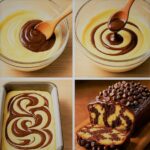
Chocolate Marble: Swirl in 2 tbsp cocoa mixed with a little milk.
-
Citrus Butter Cake: Add lemon or orange zest.
-
Vanilla Pound Cake Style: Increase butter to 220 g and reduce milk to 50 ml.
-
Moist Milk Cake: Add an extra tablespoon of powdered milk.