
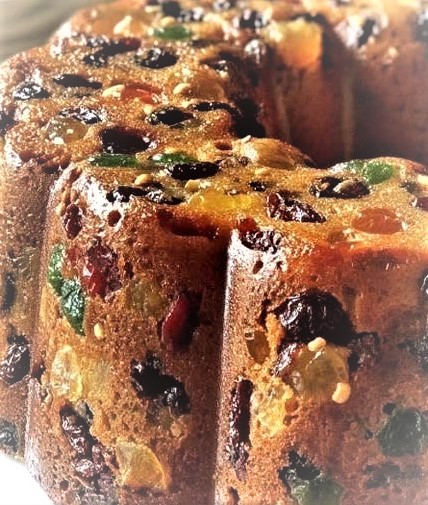
This traditional German fruit cake is a spiced, dense treat packed with dried fruits, candied peels, and nuts. The rum or brandy gives it a rich depth of flavor, while the mix of warm spices like cinnamon, nutmeg, and cloves creates an aromatic delight. It’s perfect for the holiday season, and the flavor actually improves after a day or two of resting, making it ideal for preparation in advance.
Ingredients
Dry Mix:
-
2 cups all-purpose flour (250g) – Provides the base structure for the cake.
-
1 tsp baking powder – Helps the cake rise slightly, making it soft.
-
½ tsp baking soda – Works in combination with the acidic ingredients (like milk or buttermilk) to help the cake rise.
-
½ tsp salt – Balances the sweetness and enhances the flavor of the spices.
-
1 tsp ground cinnamon – Adds warmth and a deep flavor.
-
½ tsp ground nutmeg – Brings a subtle spice and depth to the cake.
-
½ tsp ground cloves – A warm, aromatic spice that complements the cinnamon and nutmeg.
-
½ tsp ground ginger – Adds a slight heat and a fresh, spicy kick.
Fruit & Nut Mix:
-
1½ cups mixed dried fruits (about 250g) – A combination of raisins, sultanas, currants, and chopped dates gives the cake its chewy, sweet texture and rich flavor.
-
½ cup candied peel or mixed citrus peel (80g) – The citrus peel brightens the flavor with a zesty sweetness and adds texture.
-
½ cup chopped nuts (60g) – You can use walnuts, almonds, or pecans, or a combination for added crunch and nuttiness.
-
2 tbsp flour – Used to dust the dried fruits and nuts to prevent them from sinking to the bottom of the cake while baking.
Wet Mix:
-
½ cup unsalted butter, softened (115g) – Adds richness and moisture to the cake.
-
½ cup brown sugar (100g) – Provides a deep molasses-like sweetness and adds moisture.
-
½ cup white sugar (100g) – Balances the richness of the brown sugar.
-
1 cup milk or buttermilk (240ml) – Buttermilk makes the cake more tender and adds a tangy flavor, but regular milk works fine too.
-
2 large eggs (or ½ cup yogurt/120g for an eggless version) – Eggs bind the ingredients together and help with the rise, while yogurt (for an eggless version) adds creaminess and moisture.
-
1 tsp vanilla extract – Enhances the overall flavor of the cake.
-
2 tbsp rum or brandy (optional but traditional) – Adds a lovely depth of flavor, especially if you’re aging the cake for a few days before serving.
Instructions
-
Prepare the Fruit & Nut Mix:
In a small bowl, combine the dried fruits (raisins, sultanas, currants, chopped dates), candied peel, and chopped nuts. Toss the mixture with the 2 tablespoons of flour until everything is lightly coated. This helps keep the fruit and nuts from sinking to the bottom of the cake while baking. Set the bowl aside. -
Cream the Butter and Sugars:
In a large mixing bowl, use an electric mixer or a hand whisk to cream together the softened butter, brown sugar, and white sugar. Beat until the mixture is light, fluffy, and pale in color. This usually takes about 3-5 minutes. The creaming process incorporates air into the mixture, which helps the cake rise and become light. -
Add Eggs (or Yogurt):
Beat the eggs in one at a time, ensuring each egg is fully incorporated before adding the next. If you’re making an eggless version, whisk in the yogurt instead of eggs. The yogurt provides the moisture and a little tang that eggs would otherwise contribute. -
Add Wet Ingredients:
To the creamed butter and sugar mixture, add the milk (or buttermilk), vanilla extract, and rum or brandy (if using). Mix until everything is combined smoothly. -
Combine the Dry Ingredients:
In a separate bowl, whisk together the all-purpose flour, baking powder, baking soda, salt, cinnamon, nutmeg, cloves, and ginger. Make sure everything is evenly distributed. -
Fold in the Dry Ingredients:
Slowly add the dry ingredients to the wet mixture. Use a rubber spatula or wooden spoon to fold the two together. Be gentle and stop mixing as soon as the dry ingredients are incorporated – overmixing can make the cake dense and tough. -
Add the Floured Fruit & Nut Mix:
Gently fold the floured fruit and nut mixture into the batter. Be careful not to overmix, as you want to keep the fruit and nuts evenly distributed without crushing them or overworking the batter. -
Prepare the Pan:
Grease and line a 9-inch (23 cm) round cake pan or a loaf pan with parchment paper. This prevents the cake from sticking to the sides and makes for an easier release after baking. If you’re using a loaf pan, this recipe can also be divided into two smaller loaves for easier sharing. -
Bake the Cake:
Preheat your oven to 160°C (320°F). Pour the batter into the prepared pan and smooth the top with a spatula. Bake for 55-75 minutes, depending on your oven. Check for doneness by inserting a toothpick or cake tester into the center of the cake—if it comes out clean or with a few moist crumbs, the cake is done. -
Cool the Cake:
Once the cake is finished baking, allow it to cool in the pan for 10-15 minutes before transferring it to a wire rack to cool completely. While the cake is cooling, it will set and firm up. The flavor of this cake actually deepens and improves if you let it rest for at least 24 hours before slicing.
Serving & Storage:
-
This cake keeps very well and actually improves in flavor if left to rest for a few days. It’s a great make-ahead treat for the holidays or special occasions.
-
Store the cake in an airtight container at room temperature. If you want the cake to last even longer, wrap it tightly in plastic wrap and then foil, and store it in the fridge for up to 2 weeks. For extra flavor, you can even brush the top with a little rum or brandy before wrapping it up!
-
If you’d like, you can drizzle it with a simple glaze or dust it with powdered sugar before serving, but it’s delicious just as it is.
-
Baking Tips:
-
Flouring the fruits and nuts: Dusting the dried fruit and nuts with flour ensures they stay evenly distributed throughout the cake batter. If you skip this step, they may all sink to the bottom during baking, leaving the top of the cake less flavorful.
-
Using buttermilk: If you use buttermilk, the cake will be slightly more tender and have a tangy flavor. If you don’t have buttermilk on hand, you can easily make a substitute by adding 1 tablespoon of lemon juice or vinegar to 1 cup of regular milk and letting it sit for about 5 minutes before using it.
-
Aging the cake: Like many fruit cakes, this one gets better after resting for a day or two. If you’re preparing it for the holidays or a special occasion, make it a day ahead to let the flavors meld. For even more flavor, you can brush the top with a bit of rum or brandy during the aging process.
This traditional German fruit cake will bring warmth and spice to any occasion. It’s perfect for Christmas, New Year’s, or any time you’re in the mood for a comforting, festive treat. Enjoy!