
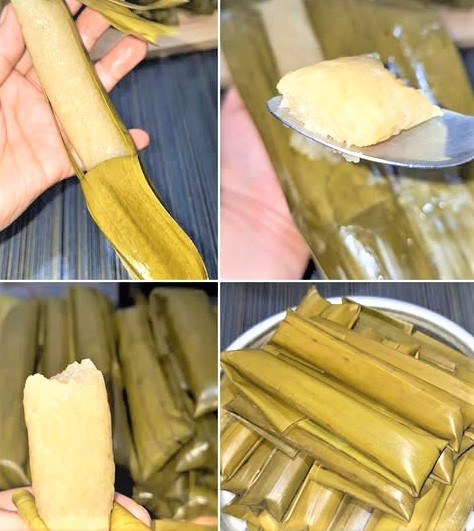
Suman Malagkit is a beloved Filipino delicacy made from glutinous rice, sweetened coconut milk, and wrapped in banana leaves or similar wrappers. It’s known for its rich, sticky texture and deliciously sweet taste, often enjoyed during festivals, gatherings, or as a special snack. The addition of ginger in this recipe adds a unique, aromatic flavor that sets it apart from traditional suman recipes.
Ingredients:
-
1 kilo glutinous rice (also called malagkit or sticky rice)
-
5 cups coconut milk (fresh or canned)
-
1 ½ cups brown sugar (you can adjust this depending on how sweet you want it)
-
1 ½ teaspoons salt (balances out the sweetness and enhances flavor)
-
2 thumb-sized pieces of ginger (fresh, peeled and smashed or sliced)
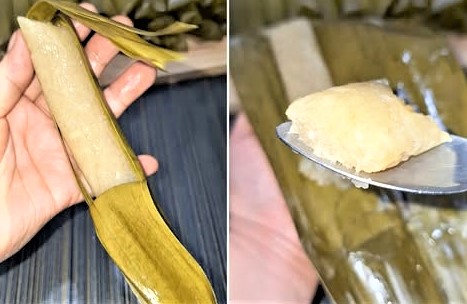
Instructions:
Step 1: Prepare the Glutinous Rice
-
Wash and Soak:
Start by washing the glutinous rice thoroughly to remove excess starch. Once clean, soak the rice in water for at least 2 hours. Soaking helps soften the rice, making it easier to cook and ensuring it becomes sticky after steaming. Some people even soak it overnight for a better result, but two hours should be sufficient.
Step 2: Cook the Coconut Milk Mixture
-
Combine Ingredients:
In a large pot, pour in 5 cups of coconut milk, then add the 1 ½ cups brown sugar and 1 ½ teaspoons salt.
Stir everything together to dissolve the sugar and salt into the coconut milk. -
Add the Ginger:
Smash the ginger using the back of a knife or a mortar and pestle. You can also slice it into thin pieces. The ginger will infuse the coconut milk mixture with a subtle spice that complements the sweetness of the rice. -
Simmer the Mixture:
Place the pot over medium heat and bring the mixture to a gentle boil, stirring occasionally. Once the sugar has dissolved and the ginger has infused the liquid (you’ll smell the aromatic ginger fragrance), lower the heat to a simmer. Let it cook for about 5 minutes, stirring from time to time to prevent burning.
Step 3: Combine Rice and Coconut Milk
-
Add the Soaked Rice:
After soaking the glutinous rice for 2 hours, drain it thoroughly to remove excess water. Once the coconut milk mixture has simmered and the sugar has dissolved, add the soaked rice into the pot.
Stir the rice in to coat it well with the coconut milk, making sure it’s evenly distributed in the liquid. -
Cook the Rice:
Reduce the heat to low and allow the rice to simmer in the coconut milk mixture for about 15-20 minutes. Stir it occasionally to prevent the rice from sticking to the bottom of the pot. The rice will absorb most of the coconut milk and sugar during this time, becoming soft, sticky, and a little thicker.
Once the rice is almost fully cooked and the mixture is sticky (but still has some coconut milk left), remove the pot from the heat. The rice should have a nice, rich, and slightly wet consistency.
Step 4: Prepare the Wrappers
-
Soften the Banana Leaves (if using):
If you’re using banana leaves as wrappers, wash them thoroughly to remove dirt and any debris. Then, pass them over an open flame or dip them briefly in boiling water to soften them. This makes them more pliable and easier to fold without breaking.
Once softened, cut the banana leaves into squares or rectangles, about 6 to 8 inches in size, depending on how big you want your suman to be.
Step 5: Wrap the Suman
-
Scoop the Rice:
Using a spoon or a small cup, scoop a portion of the cooked glutinous rice and place it in the center of each banana leaf. A good amount is about 2-3 tablespoons of rice, but you can adjust it based on your preference. -
Fold the Banana Leaf:
Carefully fold the sides of the banana leaf over the rice, creating a neat little parcel. Then, fold the ends tightly, ensuring that the suman is securely wrapped. You want the suman to be compact so that the rice sticks together as it cooks.
Step 6: Steam the Suman
-
Prepare the Steamer:
Arrange the wrapped suman in a steamer. If you don’t have a bamboo steamer, you can use a regular metal steamer or a large pot with a steaming rack. Make sure there is enough water at the bottom of the steamer to create steam. -
Steam the Suman:
Cover the steamer with a lid and steam the suman for about 30-45 minutes. During this time, the rice will finish cooking, and the suman will become firm, sticky, and fragrant. Check the water level periodically and add more if needed.
Step 7: Serve the Suman
-
Once the suman is done steaming, remove it from the steamer and allow it to cool slightly before unwrapping. You can enjoy the suman as it is or drizzle some more brown sugar or latik (coconut milk curds) on top for extra flavor.
Optional Toppings:
-
Latik (Coconut Curds):
If you want to elevate your suman malagkit experience, you can make latik by simmering coconut milk in a pan until it thickens and curdles. This creates a sweet, golden topping that you can drizzle over the suman for an extra indulgent treat. -
Additional Brown Sugar:
For added sweetness, some people like to sprinkle a bit of brown sugar on top of the suman right before serving, creating a nice caramelized coating when eaten.
Tips:
-
Soaking the rice is key for achieving the perfect texture. Don’t skip this step, as it allows the rice to cook more evenly and become sticky.
-
Use fresh coconut milk for the best flavor. If you use canned coconut milk, try to find one that doesn’t have any added preservatives.
-
Ginger is optional but highly recommended for an aromatic twist. If you prefer a more traditional suman malagkit, you can omit the ginger and stick with just coconut milk, sugar, and salt.
Conclusion:
Suman malagkit is a versatile and delicious Filipino treat that can be enjoyed in many different ways, whether as a snack, dessert, or even as a breakfast item. With its rich coconut flavor, sticky rice texture, and subtle sweetness, it’s a wonderful example of Filipino comfort food. The addition of ginger in this recipe adds a unique depth of flavor, making this version of suman stand out.